Why static images no longer feel like enough
For years, static images have done most of the visual heavy lifting online. A single photograph could define a homepage, reinforce a brand identity or create the right mood in seconds. That formula still works, but it no longer feels like the ceiling of what digital design can achieve. A new visual language is taking shape, built around motion that feels organic.
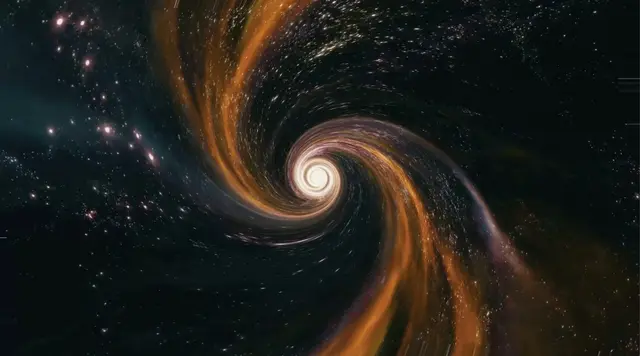
This is where AI video loops begin to stand out. Instead of relying on a frozen image that never changes, designers can now use short seamless clips that add life to a page without turning it into a distracting video experience. Movement catches the eye, but when it is subtle and continuous, it can also hold attention in a calmer way.
Beyond the Forward-and-Backward Loop
Most people have already seen basic loops online. In many cases, the motion is limited to a simple sequence that moves forward and backward again and again. Once the viewer notices the repetition, the illusion breaks. The scene stops feeling real and starts looking like a mechanical trick. That is the limitation a more refined approach is trying to overcome.
At projects such as Looping Natural, the goal is different. The loop is not built around an obvious reset or a mirrored bounce. It is designed as continuous directional movement, so the scene appears to keep flowing naturally. Waves do not visibly reverse. Mist does not snap into a previous position. The result feels closer to a living photograph than a traditional animated background.
Why this changes Web design
That difference matters more than it may seem. Websites increasingly compete not only on information or usability, but also on atmosphere. The visual environment around the user helps shape the way a brand is perceived. A subtle moving landscape or a futuristic city glowing in constant motion can create emotional depth without demanding active attention.
The rise of public collections of 4k video loops also shows that this is no longer a niche experiment hidden inside creative studios. Designers, developers and content creators can already see how these assets work across different digital projects. From landing pages to portfolio sites and branded presentations, the use cases are expanding because the format sits between static photography and full video production.
That middle ground is important. Full video can be powerful, but it often demands more bandwidth, more editing and more narrative structure. Static photography is simple and efficient, but sometimes too limited for websites that want to feel immersive. Seamless loops offer a third option. They create movement without requiring a story arc or long-form attention. They work well as background layers, hero sections or ambient visual elements that support a message.
How AI changed the workflow
Artificial intelligence has accelerated this shift dramatically. Producing a convincing seamless environmental loop through traditional filming can be complicated and expensive. It may involve controlled camera movement, repeated takes, continuity challenges and long post-production sessions to remove visible transitions. AI changes the workflow by allowing creators to generate scenes that do not need to exist in the real world and then shape them into continuous motion pieces for digital display.
That opens the door to environments that would be difficult or impossible to capture with a camera. A desert with endlessly drifting sand, a futuristic skyline shimmering in perfect rhythm, or a dreamlike coastline under moving clouds can now be developed from prompts, visual direction and iteration. The technology does not remove the creative role of the artist. It makes artistic judgment more important, because the quality of the final result depends on taste, restraint and a clear sense of how motion should behave.
The idea behind Looping Natural
Looping Natural reflects that intersection between creative experimentation and technical process. Created by Norberto Navarro, also known as DoktorKleinMusic, the project explores how AI-generated environments can function as elegant visual tools for the web. Its development is also backed by a Spanish chemical company expanding into new digital territories, giving the initiative room to investigate emerging technologies and fresh forms of media production.
The project also examines the workflows, prompts and practical techniques required to make these scenes feel believable over time. That matters because seamless motion is not just about generating a pretty clip. It is about understanding rhythm, transitions and continuity. A loop only works when the viewer does not feel the machinery behind it.
A living image for the modern Web
As websites continue to evolve, the expectation of visual richness will keep rising. In that context, static images may remain useful, but they no longer represent the full range of what is possible. Seamless loops introduce atmosphere, movement and emotional texture in a way that feels contemporary without becoming intrusive.
Sometimes the change that transforms a website is not a dramatic redesign or a complex interactive feature. Sometimes it is something much simpler: replacing a still frame with an image that quietly breathes.