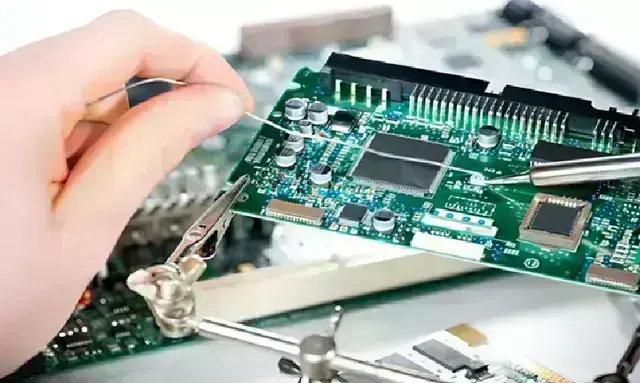
Embedded PCB: Structure, Functionality, and Its Growing Importance in Modern Electronics
An Embedded PCB plays an increasingly critical role in today’s electronics by integrating components directly into the PCB structure instead of placing them only on the surface. As devices become smaller, more powerful, and more energy-efficient, embedded technology helps designers achieve high performance without increasing board size. Whether for aerospace, medical devices, automotive electronics, or ultra-compact consumer gadgets, Embedded PCBs offer unmatched density, improved reliability, and outstanding electrical performance.
What Is an Embedded PCB?
An Embedded PCB is a printed circuit board in which active or passive components are mounted inside the PCB substrate rather than only on its surface. Instead of traditional surface mount or through-hole assembly, embedded components are built into internal layers using cavity formation, resin-coated copper, or specialized lamination methods. This allows the PCB to support advanced miniaturization while enhancing signal integrity and improving thermal behavior.
By embedding components such as resistors, capacitors, ICs, and power devices within the internal structure, engineers can significantly reduce the final product’s footprint. This design approach also protects sensitive components from environmental stress, vibration, and external handling—making Embedded PCBs ideal for mission-critical applications.
How an Embedded PCB Is Designed and Manufactured
Internal Cavity Formation
The process often starts with designing internal cavities or recesses within the PCB’s substrate. These cavities house small electronic components, which are placed securely before lamination. Precise depth control is essential, as each cavity must align perfectly with the intended layer stackup.
Component Embedding and Layer Lamination
Once cavities are formed, components are positioned using automated placement systems. The PCB then undergoes a lamination cycle where all layers are pressed together at high temperature and pressure. This permanently locks the embedded components inside the board structure. The lamination method must ensure no mechanical stress transfers to the enclosed devices, preserving their long-term functionality.
Interconnection and Via Formation
Laser drilling or microvia technology is used to create electrical connections between embedded components and the external circuitry. Blind and buried vias are common in this structure because they allow vertical routing without sacrificing surface space. High-density interconnect (HDI) techniques are frequently combined with Embedded PCB technology to support ultra-compact product designs.
Circuit Imaging, Etching, and Final Finishing
After embedding and lamination, traditional PCB manufacturing steps—such as imaging, etching, solder mask application, and surface finishing—are carried out. ENIG (Electroless Nickel Immersion Gold), immersion silver, and OSP are the most common finishes, depending on the assembly requirements. Throughout the process, strict quality control ensures the internal components remain undamaged and perfectly aligned with the outer circuitry.
Advantages of Embedded PCBs
An Embedded PCB offers numerous advantages that explain its growing adoption across industries. By integrating components inside the board, electrical paths become shorter, reducing signal delay and improving high-frequency performance. This is essential for advanced telecom devices, radar systems, and high-speed digital electronics.
Thermal performance also improves because embedded components dissipate heat more efficiently within the PCB structure. This allows power electronics and compact systems to operate safely under heavy load. Another major advantage is the increased reliability achieved by protecting components from shock, moisture, dust, and mechanical stress.
Furthermore, Embedded PCBs help reduce assembly time. With fewer surface-mounted components, production becomes more streamlined, and the risk of assembly defects decreases. This leads to a more robust end product and lower lifecycle cost.
Applications of Embedded PCBs
The use of Embedded PCB technology has expanded rapidly due to the need for high-density, lightweight, and compact electronic designs. In aerospace and defense, embedded boards support mission-critical avionics, satellite electronics, and radar systems where reliability and weight reduction are crucial. Automotive electronics use embedded components for ADAS systems, EV power modules, sensors, and onboard computing units.
Medical electronics benefit from this technology as well, especially in devices such as pacemakers, diagnostic equipment, implantable devices, and portable monitoring units. Consumer electronics—including smartphones, wearables, gaming devices, and IoT modules—use Embedded PCBs to combine compact size with high-speed performance.
Industrial automation, robotics, and telecom infrastructure also rely on embedded solutions for better data processing accuracy, reduced electromagnetic interference, and long-term durability.
Why Embedded PCBs Are Essential for the Future
With continuous demand for smaller, more efficient, and more powerful electronic systems, the Embedded PCB has become an essential technology. It allows manufacturers to achieve the ideal balance of high-frequency performance, reliability, thermal management, and mechanical strength. As digital devices advance and industry standards evolve, embedded solutions will be the foundation for next-generation electronics.
Conclusion: Build Your Next Project with a Trusted Partner
An Embedded PCB delivers unmatched performance, compactness, and long-term durability for applications across multiple high-tech industries. Whether you are designing advanced aerospace modules, compact wearables, or next-generation automotive systems, choosing a reliable fabrication partner ensures precision and consistency at every step of the manufacturing process. For expert guidance, high-quality materials, and advanced engineering support, partnering with an experienced Embedded PCB manufacturer will help you achieve exceptional results for your upcoming project.